
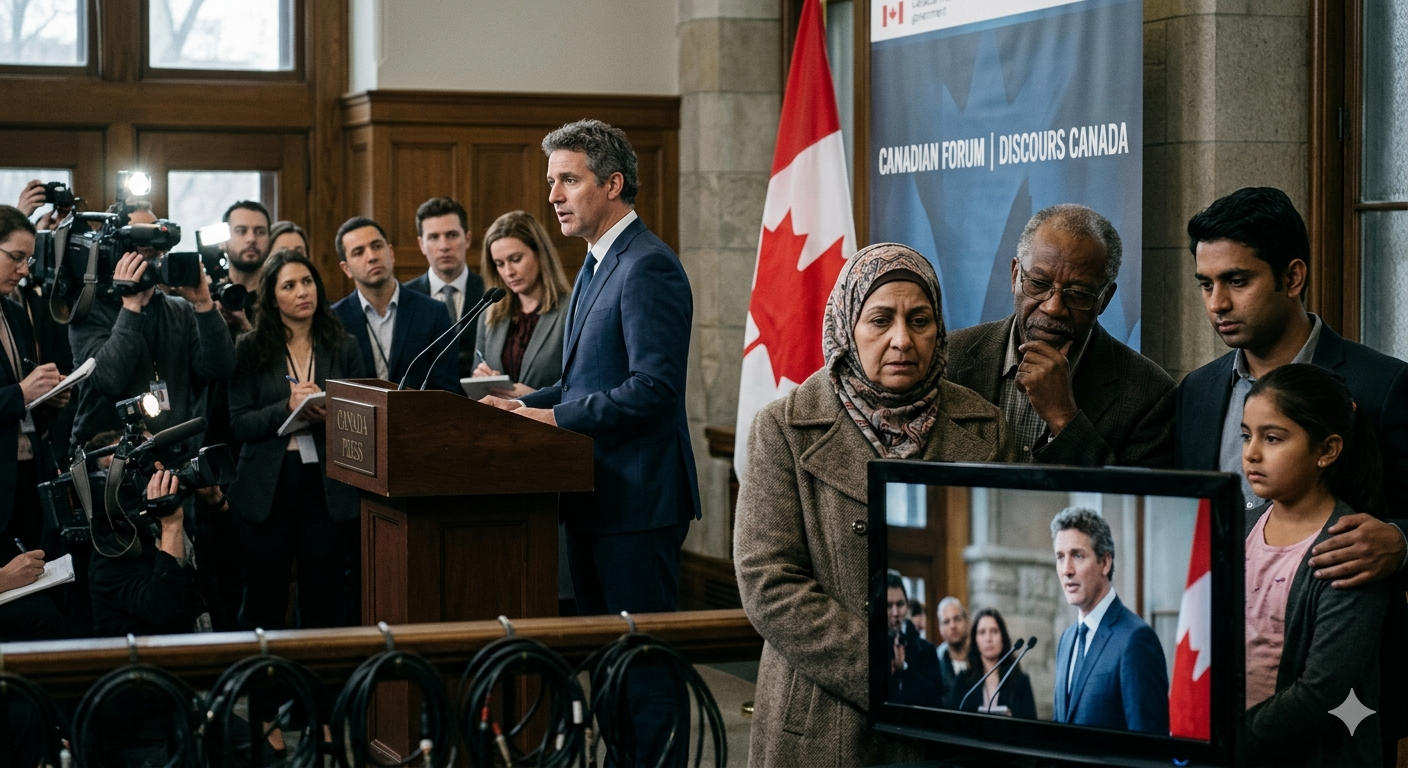
Recent political discourse in Canada has witnessed a concerning trend: the increasing tendency of politicians to scapegoat immigrants. This isn’t an isolated phenomenon; it’s a pattern with historical roots, echoing anxieties and resentments that have plagued the country for decades. The current climate is characterized by rhetoric that often targets newcomers, fostering division and undermining social cohesion.
This shift in political narrative is not new. Throughout Canadian history, periods of economic hardship and social change have been accompanied by similar narratives of blame directed towards immigrant communities. From the early 20th century, when waves of immigrants arrived seeking opportunities, to the more recent debates surrounding immigration levels and integration, anxieties about cultural differences and economic strain have fueled exclusionary sentiments.
The current political climate appears to be capitalizing on these long-standing anxieties. Politicians may be employing divisive rhetoric to mobilize support, deflect criticism, or advance their own agendas. However, this strategy carries significant risks, potentially exacerbating social tensions and hindering Canada’s ability to address its diverse population effectively. It’s crucial to critically examine the underlying motivations and consequences of these trends.
The implications of this trend extend beyond rhetoric. It can lead to policies that further marginalize immigrant communities, creating barriers to integration and hindering economic opportunity. Furthermore, it erodes the principles of inclusivity and multiculturalism upon which Canada’s identity is often built. The long-term consequences of such a pattern are deeply concerning.
Addressing this trend requires a multifaceted approach. It necessitates fostering open and honest dialogue about immigration, integration, and the challenges and opportunities presented by a diverse society. It also demands holding politicians accountable for their rhetoric and promoting policies that prioritize inclusivity and social justice. Ultimately, creating a more harmonious society requires a conscious effort to challenge harmful narratives and celebrate the contributions of all Canadians.
Ignoring this pattern risks further fracturing Canadian society and undermining the country’s commitment to welcoming and supporting newcomers. A more constructive approach would center on addressing economic challenges through inclusive policies, promoting integration initiatives, and fostering a society where diversity is celebrated and valued.
 EN
EN  ES
ES  FR
FR